26 Short-Form Hook Templates Creators Use to Stop the Scroll
Short-form hook templates changed how I think about starting videos. Before using short-form hook templates, I believed good content would speak for itself. If the idea was strong, people would stay.
What I didn’t fully understand back then was how fast people decide to scroll. Viewers don’t wait to see if your content is good. They decide in seconds if it’s worth their attention.
Why the First Seconds Matter More Than Anything Else
Retention doesn’t start halfway through a video. It starts before the video even feels like it has started.
In the first seconds, viewers are asking one silent question: “Why should I keep watching?”
If that question isn’t answered immediately, scrolling wins.

What Hooks Actually Do (Beyond Getting Views)
Hooks aren’t just about grabbing attention. They set expectations.
A good hook tells the viewer what kind of value is coming and how long it might take to get there.
When hooks are clear, the rest of the video feels easier to follow.
Why Random Intros Kill Momentum
I used to start videos however I felt that day. Sometimes with context. Sometimes with a question. Sometimes with nothing at all.
That randomness made it impossible for viewers to recognize my content. Every video felt unfamiliar.
Once I started using repeatable hook structures, momentum became consistent.

What Short-Form Hook Templates Really Are
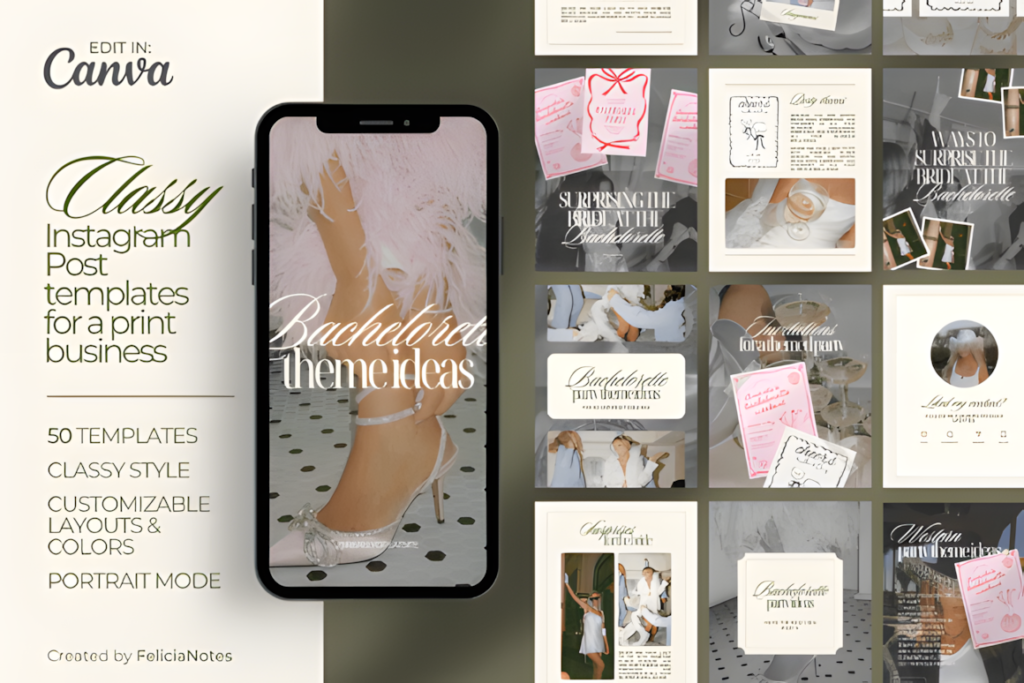
Hook templates aren’t scripts you copy word for word.
They’re frameworks for opening moments: visual cues, text placement, pacing, and promise.
They remove hesitation. You don’t wonder how to start. You already know.
Why the First Frame Is Part of the Hook
Hooks don’t start with words. They start with what the viewer sees first.
If the first frame is unclear, cluttered, or slow, the hook never gets a chance.
Templates helped me design first frames with intention instead of decoration.
How Hook Templates Save Time
Writing hooks from scratch every time is exhausting.
Once I had a small library of hook templates, creating intros became fast. Not rushed. Just clear.
Speed made posting more sustainable.
Consistency Starts at the Beginning
Consistent views rarely come from random beginnings.
When viewers recognize how a video starts, they’re more likely to stay. Familiarity builds trust.
Hook templates made my content feel predictable in a good way.
Simple Hooks Often Work Better
Complexity slows attention. Clarity speeds it up.
Some of the strongest hooks I’ve used were simple, direct, and easy to understand.
Templates helped me strip away noise instead of adding more.
Why I Stopped Guessing and Built a Hook System
At some point, I realized that guessing how to start a video was slowing everything down.
Some days I spent more time thinking about the first sentence than creating the entire video.
That’s when I stopped treating hooks as a creative spark and started treating them as a system.
What a Hook System Actually Looks Like
A hook system isn’t complicated. It’s a small library of repeatable openings.
I rely on a few clear hook formats: problem-based, curiosity-driven, contrast-based, and direct value statements.
Each one fits different types of content, but the structure stays familiar.
How Planning Gets Easier When Hooks Come First
Planning content used to start with topics. Now it starts with hooks.
Once the hook is clear, the rest of the video almost writes itself. The message flows naturally toward the promise made at the beginning.
Templates made that process repeatable.
Batching Hooks Instead of Whole Videos
One of the biggest shifts for me was batching hooks separately.
I would write or design several hook variations, then pair them with content later.
This made creation faster and removed pressure from filming or editing days.
Comparing Videos With and Without Strong Hooks
The difference was obvious.
Videos without a clear hook lost viewers almost immediately. Videos with structured openings held attention longer — even when the rest of the content was similar.
Hooks didn’t make content viral. They made it watchable.
Why Hooks Build Recognition Over Time
Repeating hook structures created a sense of familiarity.
Viewers learned how my videos started, what kind of value to expect, and how long to stay.
That recognition mattered more than constantly trying to surprise.
The Mistakes That Break Hook Performance
Hooks fail most often when they try to do too much.
Too many ideas. Too much text. No clear promise.
Templates stop working when they’re ignored or changed every time.
Why Hooks Don’t Need to Be Loud to Work
Some of the best hooks are calm and clear.
They don’t shout. They explain.
Templates helped me focus on clarity instead of theatrics.
When Short-Form Hook Templates Are Worth Using
Hook templates are worth using when you want consistency, speed, and control over retention.
They’re especially useful when you post often or across multiple platforms.
Hooks stop being stressful when you stop reinventing them.
My Final Thoughts on Short-Form Hook Templates
The beginning of a video decides everything that follows.
Once I stopped treating hooks as guesswork, content creation became calmer, faster, and more consistent.
If your videos lose viewers early, the fix usually isn’t better content. It’s a better beginning.
Build a small hook library. Repeat it. Let structure do the heavy lifting.