Social media templates for coaches completely changed how I think about turning followers into clients. For a long time, my content looked active, but it didn’t always lead to real conversations or bookings.
I was posting consistently, sharing insights, showing up — yet inquiries felt unpredictable.
What finally clicked was understanding that visibility alone isn’t enough. Clarity is what converts.

Why Clear Content Drives Client Inquiries
People don’t book coaches because a post looks inspiring.
They book when they understand what you help with, who you help, and how to take the next step.
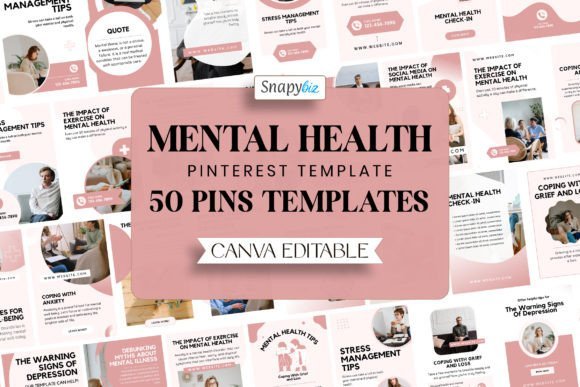
Social media templates for coaches helped make those messages obvious.
Do Coaches Really Need Social Media Templates?
I used to think templates were optional — something to use once things felt more stable.
In reality, posting without structure made growth slower and harder.
Templates didn’t box me in. They removed friction.

How Messy Feeds Create Confusion
Random posting sends mixed signals.
One post educates, the next inspires, the next sells — but without a clear pattern.
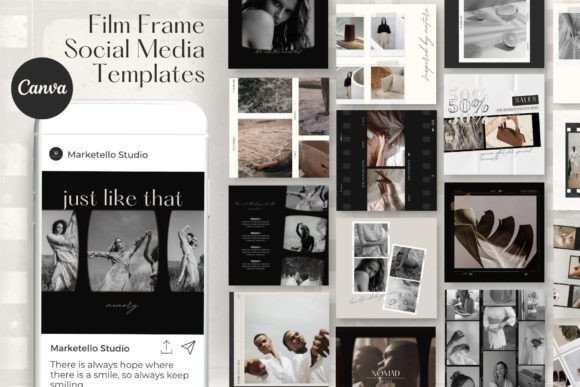
Templates helped align content so the offer stayed clear even when topics changed.
Never Wondering What to Post Again
One of the biggest blocks was running out of ideas.
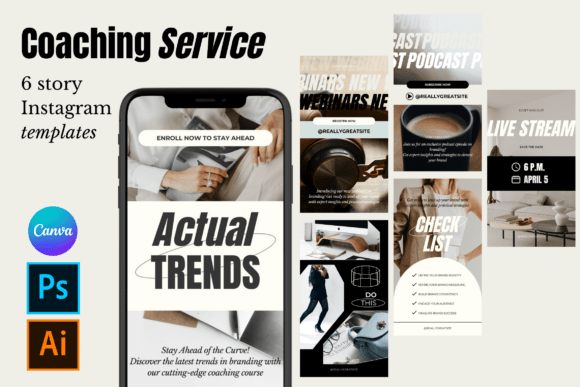
Social media templates for coaches introduced repeatable formats: education, client wins, mindset shifts, invitations.
Content planning became faster and calmer.
Why Time Is the Biggest Constraint for Coaches
Most coaches are busy actually coaching.
Designing posts from scratch competes with client work, not complements it.
Templates made posting possible even on full weeks.
How Trust Is Built Through Consistency
Clients don’t book after one post.
They book after repeated exposure to clear, confident messaging.
Templates helped keep that message steady.
Why Simple Templates Convert Better
Overdesigned content often distracted from the point.
Simple layouts, strong headlines, and clear calls-to-action worked better.
Simplicity supported conversion.
Planning Content Without Overthinking
Planning used to feel heavy.
With templates, I could plan a full week in one focused session.
More clarity. Less hesitation.
Turning Content Into a Coaching System
The real shift happened when content stopped being reactive.
Instead of posting whatever felt right that day, I started thinking in systems: what educates, what builds trust, and what invites action.
Social media templates for coaches made that structure visible and repeatable.
Educating While Gently Selling
The best-performing posts didn’t feel salesy.
They explained problems, shared perspectives, and showed how coaching helped.
Templates helped balance education and invitation without pressure.
Why Recognition Builds Confidence in Your Offer
People trust what they recognize.
When your content looks familiar, your message feels safer to engage with.
Repeating formats built recognition without repeating the same words.


Looking Professional Without Hiring a Designer
Visual quality affects perception.
Clean templates made the brand feel intentional even when posting quickly.
Professional didn’t mean complicated.
Why Templates Make Selling Easier
Selling stopped feeling awkward once posts had a clear role.
Some posts informed. Some posts built trust. Some posts invited conversation.
Templates created space for all three.
Avoiding the Mistakes That Kill Conversion
Templates don’t work when they’re treated like decoration.
If the message is unclear, no layout will fix it.
Clarity always comes first.
Why Consistency Beats Intensity
Posting intensely for a short period didn’t move the needle.
Showing up consistently with a clear message did.
Templates made consistency realistic.
My Final Thoughts on Social Media Templates for Coaches
Content started working once structure replaced improvisation.
Templates didn’t reduce authenticity. They supported it.
If followers aren’t turning into clients, the problem often isn’t effort. It’s lack of clarity.
Start with structure. Let your expertise do the rest.