18 Reels Cover Templates Creators Use to Get More Clicks
Reels cover templates completely changed how I think about clicks. For a long time, I focused only on the video itself and ignored the cover. I assumed if the content was good, people would tap anyway.
What I didn’t realize back then was how much scrolling behavior is driven by visuals. Before anyone watches your Reel, they decide whether to click.
And that decision often has nothing to do with the video. It has everything to do with the cover.
Why Low Clicks Are Often a Visual Problem
When a Reel doesn’t get views, the first instinct is to blame the algorithm or the hook inside the video.
But in many cases, the problem happens earlier. The Reel never gets opened.
Weak covers blend into the feed. They don’t give the viewer a reason to pause, let alone click.
How Covers Control Scroll Behavior
Scrolling is fast. People aren’t reading captions. They’re reacting to shapes, contrast, and clarity.
A strong cover does one job: it makes the viewer stop.
Once I started designing covers intentionally, my Reels didn’t just get watched more — they got opened more.
Do Reels Covers Actually Matter?
I used to think covers were optional. Instagram would auto-pick a frame anyway, so why bother?
The difference became obvious the moment I tested intentional covers against random ones.
Clear text, clean layout, and a defined topic outperformed random frames every time.
Why Messy Grids Push People Away
Covers don’t just affect individual Reels. They affect your entire profile.
When a grid looks cluttered, new visitors don’t know what to expect. The content feels inconsistent, even if it isn’t.
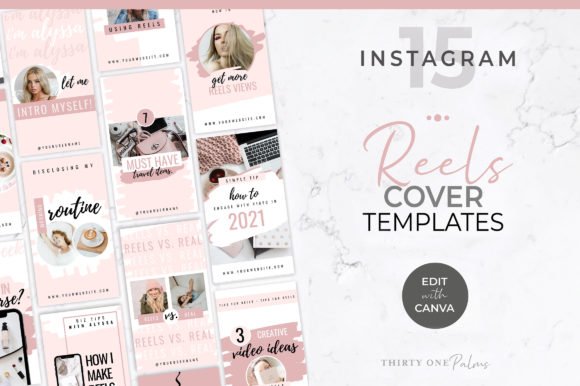
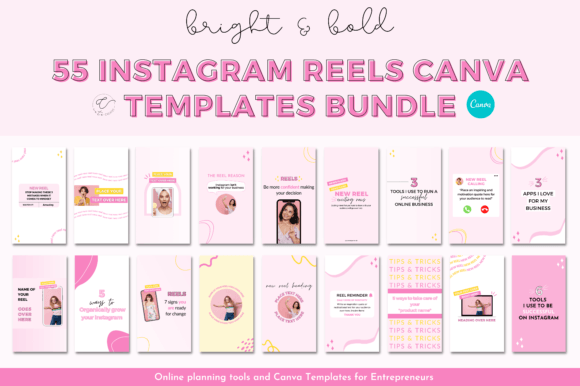
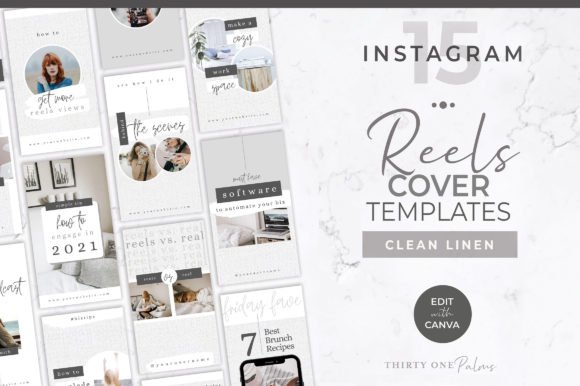
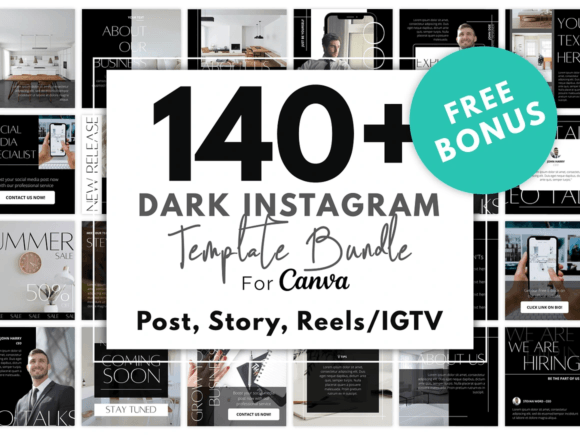
Using repeatable cover templates helped me clean up my grid without redesigning everything.
First Impressions Happen Before the Video Plays
People judge content before they consume it. That’s just reality.
A cover sets expectations. It tells the viewer what kind of value is coming and whether it’s worth their time.
When the expectation is clear, clicks increase naturally.

Why Designing Covers from Scratch Gets Exhausting
Designing a new cover for every Reel used to drain my energy.
Too many decisions: font, placement, color, hierarchy.
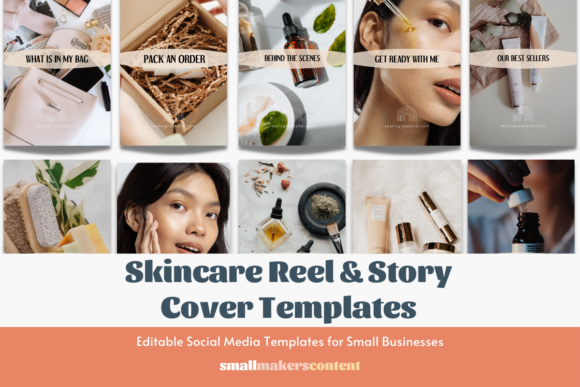
Templates removed that friction. The structure was already decided. I only focused on the message.
Consistency Builds Trust on Your Grid
Consistent covers make a profile feel intentional.
When viewers recognize your visual style, they trust your content faster. Trust leads to clicks.
Templates made that consistency achievable without turning design into a full-time job.
Simple Covers Often Perform Better
I tested bold designs, busy layouts, and complex visuals.
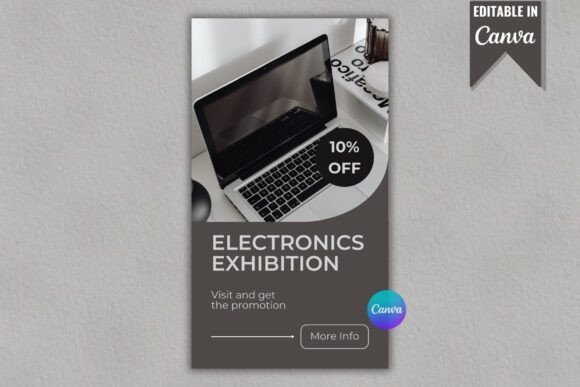
What worked best was simplicity. Clear text. One focal point. Strong contrast.
Simple covers were easier to understand — and easier to click.
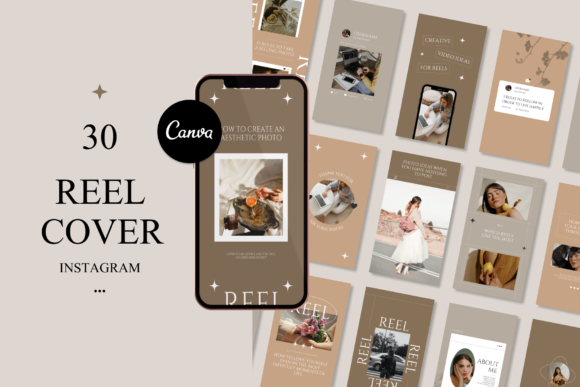
Why Planning Covers in Advance Changes Everything
One of the biggest shifts for me was stopping the habit of designing covers last minute.
When covers are created in a rush, they reflect that rush. The message is unclear, the hierarchy is messy, and nothing really stands out.
Planning covers in advance gave me control over how my content looked before it ever hit the feed.
How Cover Templates Turn Chaos into a Visual System
A visual system doesn’t mean everything looks the same. It means everything belongs together.
Using repeatable Reels cover templates helped me define spacing, text placement, and visual rhythm.
My grid stopped feeling random and started feeling intentional.
Why Covers Need to Explain the Topic Instantly
A Reel cover has about one second to communicate what the video is about.
If the topic isn’t clear immediately, people don’t click to investigate. They keep scrolling.
The best covers I’ve used didn’t tease vaguely. They explained clearly.
Recognition Comes from Repetition, Not Tricks
Recognition doesn’t come from shock value. It comes from familiarity.
When viewers see a familiar cover style, they know what kind of content to expect. That reduces hesitation.
Templates made that repetition effortless.
Why Clickbait Covers Hurt More Than They Help
I tested exaggerated text, dramatic claims, and overly aggressive visuals.
They sometimes increased clicks — but they damaged trust.
When the cover promised something the video didn’t deliver, viewers stopped clicking altogether.
Clean Design Builds Confidence
Clean covers signal confidence.
They don’t beg for attention. They invite it.
Using structured templates helped my content feel professional without feeling manipulative.
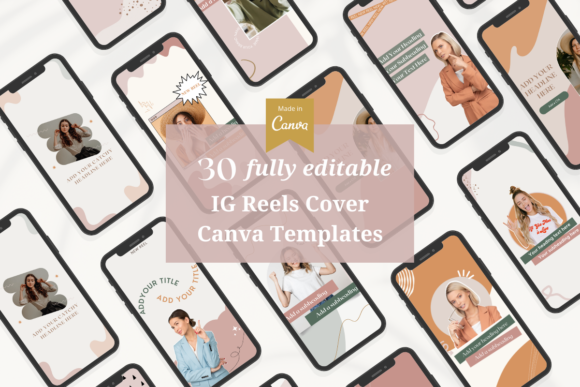
Batching Covers Saves More Time Than You Expect
Once I started batching covers, content creation sped up dramatically.
I could design several thumbnails in one sitting, knowing they would all work together visually.
This removed yet another bottleneck from my workflow.
The Mistakes That Quietly Kill Clicks
Most cover mistakes aren’t obvious. They’re subtle.
Low contrast. Too much text. No clear focal point.
Templates help avoid these mistakes by enforcing visual discipline.
Why Covers Are Part of the Content Strategy
I stopped thinking of covers as decoration.
They are part of the message. Part of the strategy. Part of how content gets consumed.
When covers are designed intentionally, everything downstream performs better.
My Final Thoughts on Reels Cover Templates
Covers don’t replace good content. They make good content visible.
Reels cover templates helped me get more clicks, build a cleaner grid, and create recognition without relying on clickbait.
If your Reels aren’t getting opened, the issue might not be the video. It might be the cover.
Start with structure. Let consistency do the work.