YouTube Shorts templates completely changed how I approach short-form video. Before using YouTube Shorts templates, I believed Shorts were all about ideas. If the idea was good, the video would work. If it didn’t, I assumed the idea just wasn’t strong enough.
Why Random Posting Feels Busy but Doesn’t Grow
For a long time, I posted Shorts randomly. Whatever idea came to mind, whatever format felt right that day. It looked productive from the outside, but inside it felt chaotic.
The biggest problem with random posting is that nothing connects. Each video lives on its own island. Viewers don’t learn what to expect from you, and you don’t learn what actually works because everything keeps changing.
Once I started using repeatable formats, something shifted. Videos felt easier to make, editing got faster, and most importantly, viewers stayed longer.
Familiar structure doesn’t bore people. It helps them understand faster.
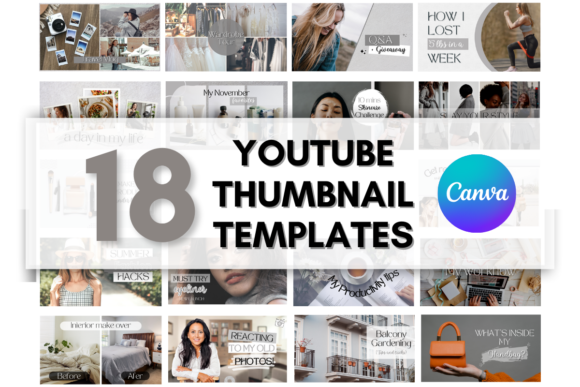

How YouTube Shorts Templates Help Hold Attention
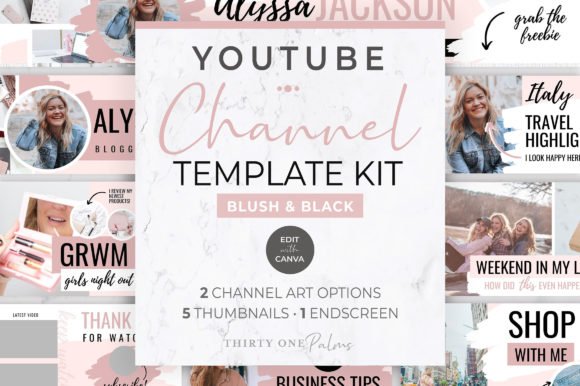
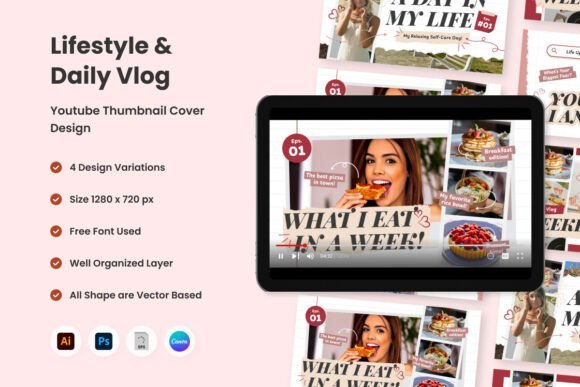
When I talk about YouTube Shorts templates, I’m not talking about rigid designs that make every video look identical.
I’m talking about invisible frameworks. Where the hook lives. How the idea unfolds. When something changes visually. When the viewer gets the payoff.
A good template answers the same questions every time: Why should I keep watching? What am I about to learn or see? Where is this going?
Once those questions are handled by the structure, you’re free to focus on the message instead of the mechanics.
What I noticed over time is that YouTube Shorts templates do more than save time. They shape how viewers experience the video. When structure stays familiar, people know what to expect and stay longer.
Attention Is a Design Problem, Not a Motivation Problem
Most creators blame viewers for having short attention spans. I used to do that too.
But attention isn’t about patience. It’s about guidance. If the video doesn’t clearly show what matters next, the viewer doesn’t know where to look, so they leave.
Templates fix this by creating rhythm. Small visual changes. Clear text hierarchy. Predictable pacing.
When I started building Shorts with attention in mind, retention stopped feeling random. It became something I could influence.

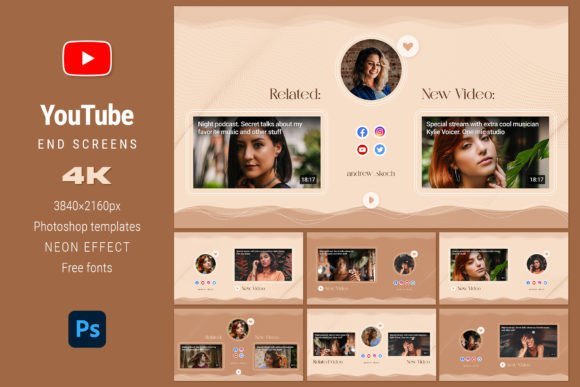
Why Hooks Alone Aren’t Enough
Strong hooks matter. But hooks without structure don’t hold. They create curiosity and then drop it.
I’ve seen Shorts with great opening lines lose viewers halfway through because nothing guided them forward.
A good template treats the hook as the first step, not the whole strategy. It makes sure the energy doesn’t disappear after the first few seconds.
Why Speed and Consistency Are Connected
Before templates, posting consistently felt exhausting. Every video required new decisions. New layouts. New pacing. New editing logic.
Templates changed that. Once the structure was decided, speed increased naturally. Not because I rushed, but because I stopped overthinking.
Consistency stopped being a discipline problem and became a system problem.
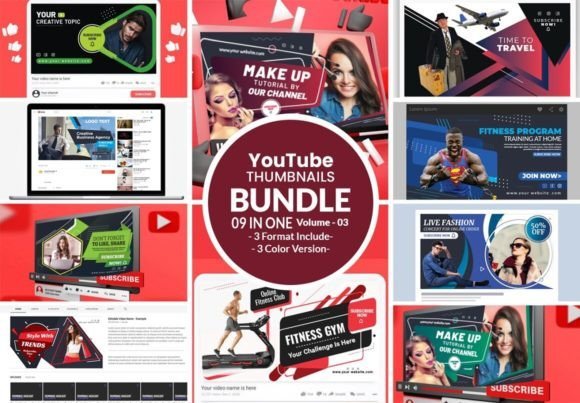
Simple Doesn’t Mean Boring
One of the biggest myths about Shorts is that complexity equals quality.
In reality, some of the best-performing Shorts are visually simple. Clean text. Clear contrast. Purposeful movement.
Simplicity makes repetition possible. And repetition is how recognition is built.
Why Repeatability Is What Actually Builds Growth
At some point I stopped asking, “What should I post next?” and started asking, “What format am I repeating?”
That question changed everything. Growth didn’t come from one viral Short. It came from viewers recognizing what they were watching. They knew how to consume the video before it even finished loading.
Repeatable templates create recognition. Recognition creates trust. And trust is what keeps people watching, subscribing, and coming back.
The goal isn’t to surprise your audience every time. The goal is to feel familiar in a good way.
How I Think About a Real Growth System
A growth system isn’t about posting more. It’s about reducing friction.
When I built a small set of Shorts templates, each one had a role. One was for teaching. One was for opinion. One was for simple reminders. One was for quick value.
I wasn’t choosing formats anymore. I was choosing messages. The structure was already decided.
That’s when posting stopped feeling random and started feeling intentional.
Batching Shorts Without Killing Creativity
I used to hate batching. It felt mechanical. Like I was turning creativity into a factory.
The problem wasn’t batching. The problem was batching without templates.
Once templates were in place, batching became natural. I could write several ideas in one sitting, drop them into the same structure, and let each message stand on its own.
Creativity didn’t disappear. It stopped fighting logistics.
Why Templates Help When Motivation Is Low
Not every day feels inspired. That’s normal.
On low-energy days, templates do the heavy lifting. You don’t need to design. You don’t need to plan pacing. You just need to fill the structure.
That’s why templates are so effective for consistent posting. They remove the emotional weight from showing up.
Trust Is Built Through Familiar Patterns
People trust what they recognize. Not because it’s repetitive, but because it’s reliable.
When viewers see a familiar format, they relax. They know what’s coming. They know it’s worth their time.
That trust doesn’t come from design polish. It comes from consistency.
The Mistakes I See Creators Make with Templates
Templates don’t fail on their own. They fail because of how they’re used.
The most common mistake is using too many formats at once. Another is changing the template every week.
Both break recognition. Both reset the learning process for the viewer.
A good template should last long enough for the audience to get used to it.

Why “Not Boring” Doesn’t Mean Loud
I’ve learned that keeping attention doesn’t require chaos.
Clean motion. Clear text. Purposeful pacing.
When every movement has a reason, the video feels intentional. And intention is far more engaging than noise.
When Templates Are Actually Worth Using
Templates are worth using when you want clarity, speed, and repeatability.
They’re especially valuable when you want to grow without burning out.
They are less useful if you change them constantly or use them without a message.
My Final Thought on YouTube Shorts Templates
Templates didn’t make my content less creative. They made it more focused.
They turned posting from a guessing game into a system. From pressure into process.
If Shorts feel random, the answer usually isn’t more ideas. It’s better structure.
For me, YouTube Shorts templates became the foundation of a repeatable system. They didn’t limit creativity. They removed friction and made growth predictable instead of random.