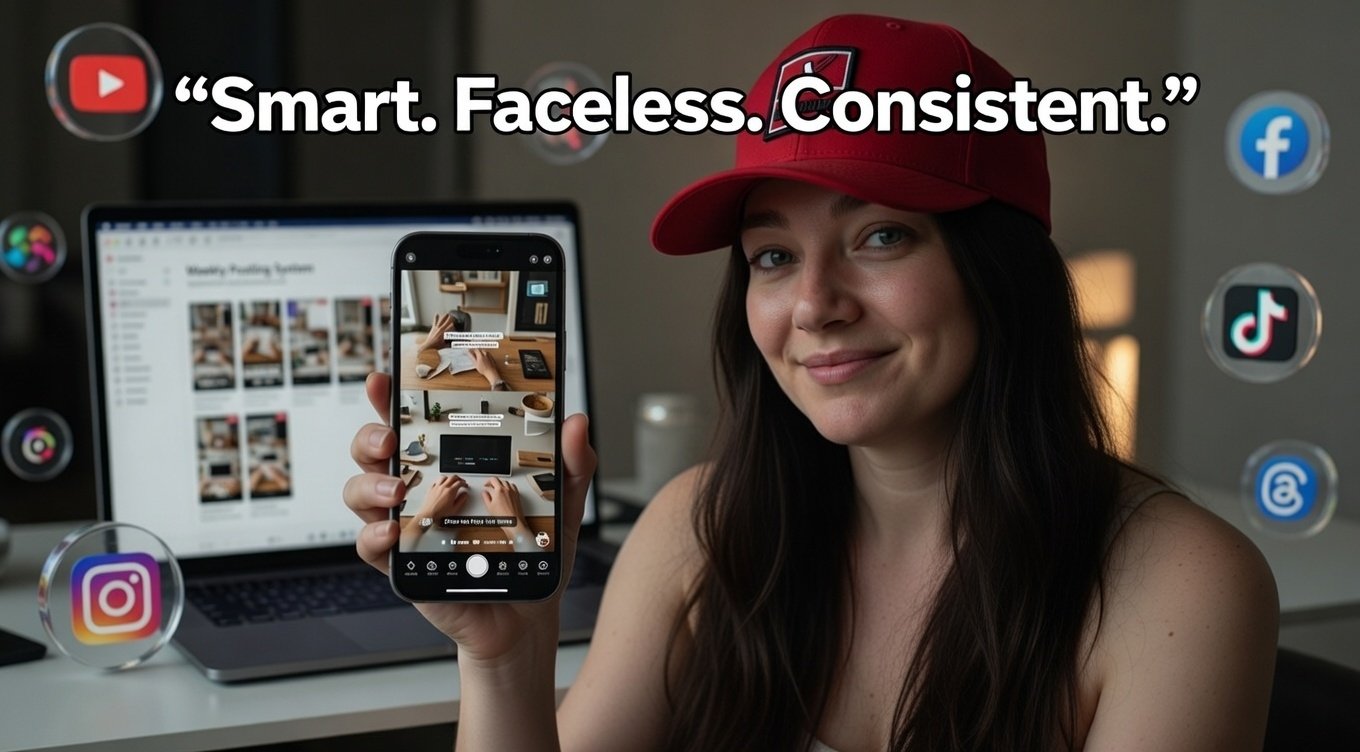
If you feel uncomfortable showing your face on social media, you’re not alone. I avoided it for a long time too.
Not because I didn’t have ideas, but because being on camera adds pressure, preparation, and expectations that slow everything down.
That’s why I started using faceless content templates. They allowed me to stay consistent without forcing myself into formats that didn’t feel natural.
In this article, I’ll explain how faceless content works, why it’s effective, and how templates make posting easier without sacrificing connection.


Can You Really Grow Without Showing Your Face?
This is the first question most people ask. The short answer is yes.
Growth doesn’t come from faces. It comes from clarity, usefulness, and consistency.
Faceless content works when:
- the message is clear
- the format is easy to follow
- the value is obvious
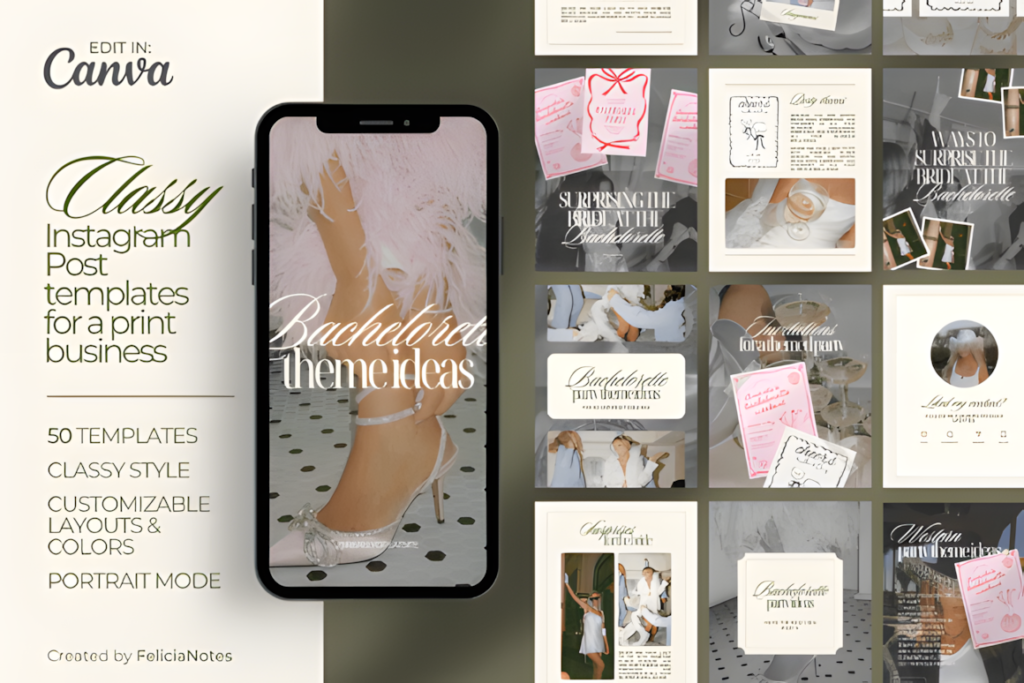
Templates help structure that value so the content speaks for itself.

Why Faceless Content Often Feels Easier
Being on camera requires energy. Lighting, angles, expressions, all of that adds friction before you even start.
Faceless formats remove those steps. You can focus on the idea instead of presentation.
That’s one reason faceless content templates help people post more often.
Faceless Content Still Builds Trust
A common concern is that faceless content feels distant. In reality, inconsistency creates more distance than anonymity.
Trust comes from:
- clear explanations
- reliable formats
- familiar structure
Templates help maintain that familiarity, even without a face on screen.
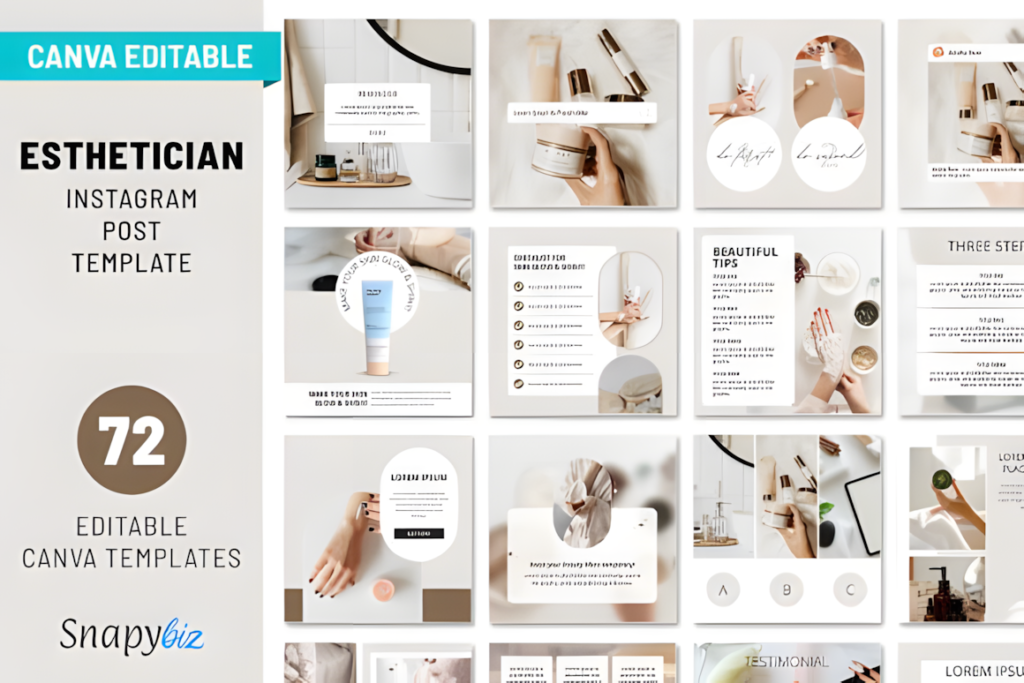
Why Faceless Formats Reduce Overthinking
A lot of posting hesitation comes from small decisions. How do I look? Is this good enough? Does this feel awkward?
Faceless content removes those questions. You focus on the message, not yourself.
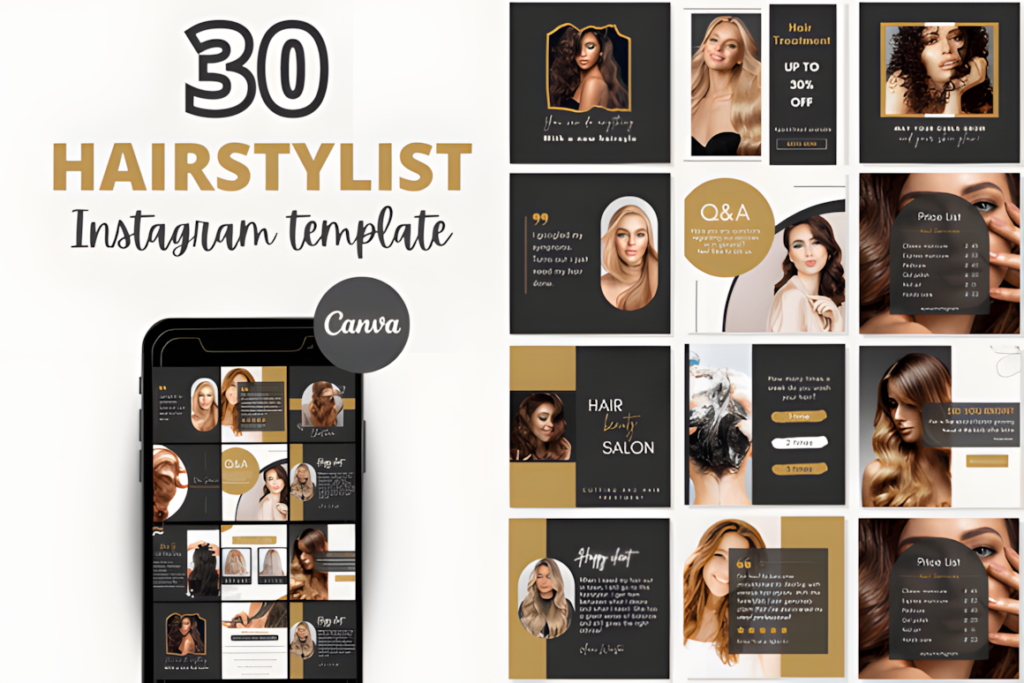
Templates reduce decisions even further by fixing layout and structure in advance.
How Faceless Content Supports Consistency
Consistency is easier when the barrier to start is low.
Faceless templates:
- remove camera prep
- speed up editing
- make batching easier
That’s why faceless content often leads to more regular posting over time.
When Faceless Content Makes the Most Sense
Faceless content isn’t a compromise. In many cases, it’s the smartest option.
It makes the most sense when:
- you want to post consistently
- you don’t want to depend on your mood or appearance
- you value clarity over performance
Templates help turn faceless formats into a repeatable, low-pressure process.
Why Faceless Templates Speed Up Content Creation
A lot of time is lost before content even exists. Choosing a format, setting up the shot, adjusting visuals, those steps add up.
Faceless templates remove most of that friction. You start with a structure instead of a blank screen.
That’s why content feels faster, even if the idea stays the same.
Planning Content Is Easier Without a Camera
Planning content becomes much simpler when every post doesn’t require filming.
With faceless templates, you can plan content based on ideas, not availability.
This makes batching easier and reduces last-minute posting stress.
Why Repeating Faceless Formats Builds Recognition
Repetition isn’t boring. It’s how audiences learn what to expect.
When people recognize a familiar structure, they’re more likely to stop and read.
Templates allow you to repeat structure while changing the message, which builds recognition over time.
Turning Faceless Content Into a Simple System
The real advantage of faceless content is the system it allows you to build.
When formats are consistent, content creation becomes predictable and manageable.
A simple system helps you:
- post without hesitation
- reduce mental load
- stay consistent long-term
When Posting Finally Feels Easier
At some point, posting stops feeling heavy. That usually happens when structure replaces improvisation.
You no longer ask what to post or how it should look. You just fill in the template.
That’s when consistency becomes natural, not forced.
Final Thoughts
Faceless content isn’t about hiding. It’s about focusing on what matters.
When content is clear, useful, and consistent, the format becomes secondary.
Faceless content templates helped me:
- post more consistently
- reduce pressure
- speed up content creation
- build a sustainable system
That’s what makes faceless content a long-term strategy, not a workaround.