Why Short Form Video Templates Matter More Than You Think
Short-form video has completely changed how people consume content online. Reels, Shorts, and TikTok videos are fast, emotional, and brutally competitive. You have a few seconds to catch attention, explain value, and convince someone to keep watching. That pressure is exactly why short form video templates are no longer “nice to have”, they’re infrastructure.
I’ve worked with creators, solo founders, and small teams who all struggle with the same invisible problem: not the lack of ideas, but the friction of execution. Knowing what to post is one thing. Turning that idea into a clean, on-brand, correctly sized video every single time is something else entirely.
This article isn’t about trends or hacks. It’s about building a repeatable system using editable video templates that support consistency, speed, and growth, without killing creativity.

What Short Form Video Templates Actually Do
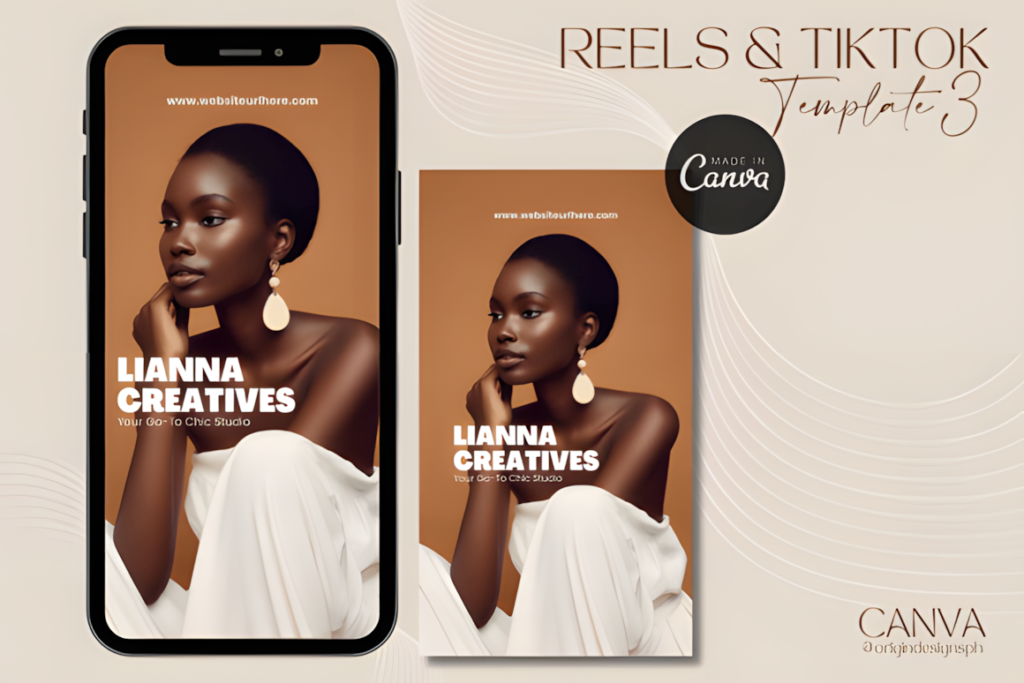
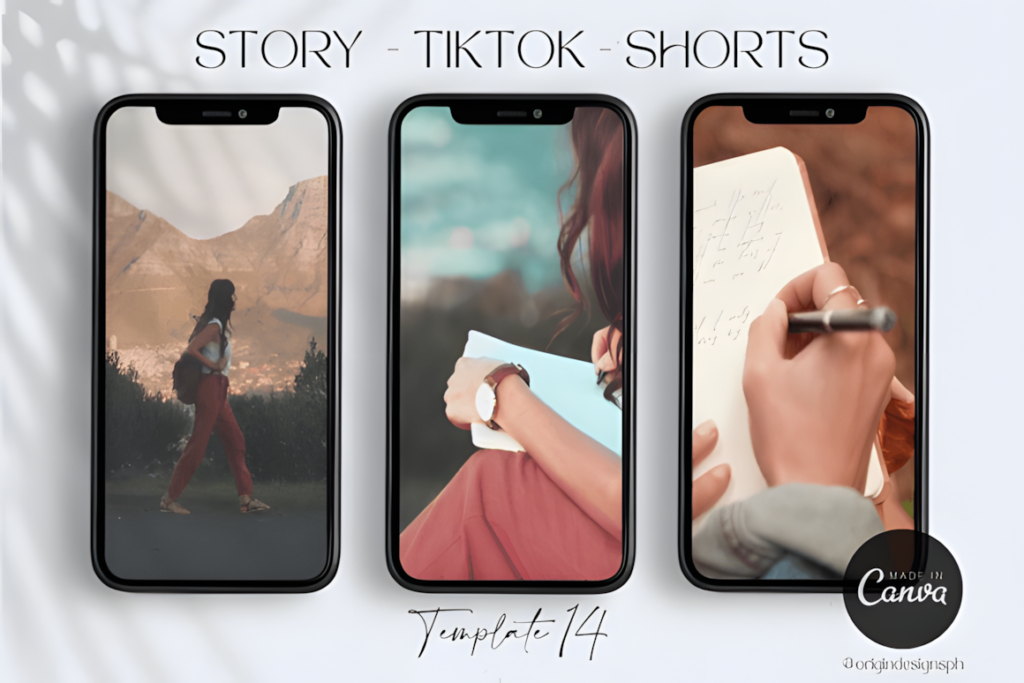
At their core, short form video templates remove decisions you don’t need to make every day. Instead of starting from a blank canvas, you begin with a structure that already respects the 9:16 video format, safe zones, and viewer behavior.
A good template doesn’t dictate your content, it protects it. Text doesn’t get cropped. Hooks stay visible. Captions remain readable. Your message survives the platform.
Templates also create visual rhythm. When your audience sees the same layout logic, pacing, and typography, your content becomes recognizable even before your username appears. That familiarity is one of the most underrated drivers of retention.
From a workflow perspective, templates act as shortcuts. You’re not designing anymore, you’re assembling. Swap text. Replace footage. Adjust colors. Export. Post.
That shift alone can turn content creation from a stressful task into a manageable routine.

The Real Difference Between Random Videos and a Template System
A lot of creators technically post “videos,” but they don’t have a system. Every piece looks slightly different. Fonts change. Text placement drifts. Hooks feel inconsistent. Over time, this creates visual noise, and audiences feel it even if they can’t explain why.
A template system solves this by introducing constraints that work in your favor. Instead of reinventing layouts, you reuse proven structures that already perform well. This is especially important for reels templates and YouTube Shorts templates, where repetition actually improves recognition.
Consistency doesn’t mean boring. It means intentional. Within a template system, you still have flexibility, changing hooks, footage, pacing, and tone, but the frame stays stable.
That stability helps in two critical ways:
- It reduces cognitive load for viewers, making content easier to follow.
- It reduces production friction, making posting more sustainable.
Sustainable content always wins long-term.
Why Canva-Based Video Templates Are So Popular
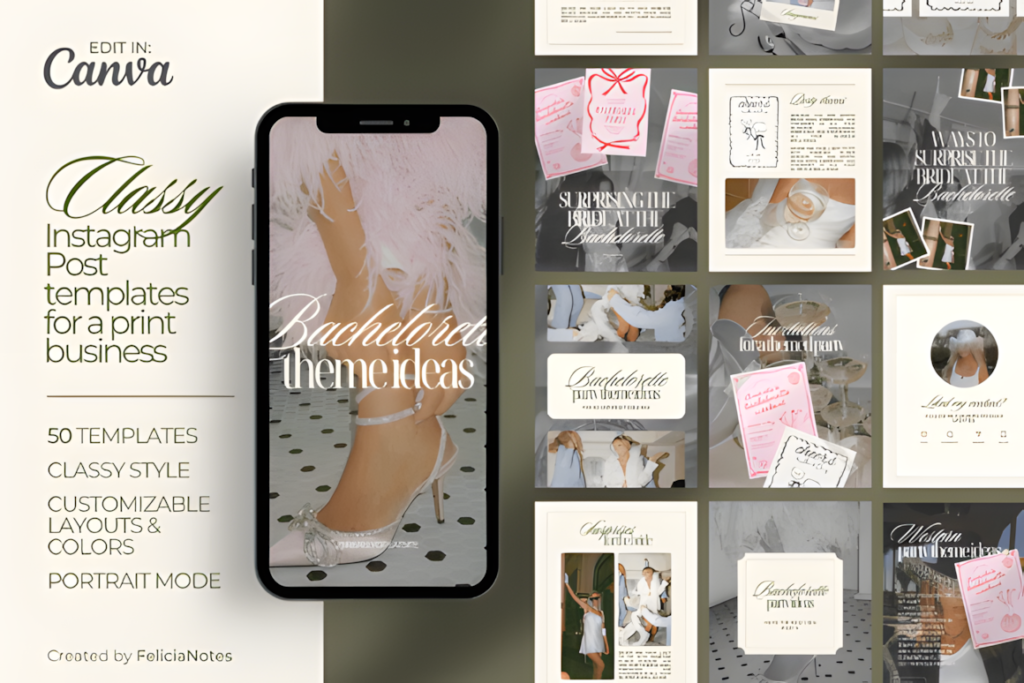
There’s a reason Canva video templates dominate the short-form space. Accessibility matters. When templates are editable in Canva, creators don’t need advanced editing skills or expensive software to produce clean results.
For many people, Canva becomes the central hub of their video editing workflow. Templates live there. Brand colors live there. Fonts live there. That centralization removes friction and mistakes.
Editable video templates also lower the barrier to experimentation. You can duplicate versions, test different hooks, try multiple captions, without starting over. This is especially valuable on TikTok, where volume and iteration matter more than perfection.
The key isn’t the tool itself, but how frictionless the tool makes execution. Canva simply happens to be the most accessible environment for that right now.
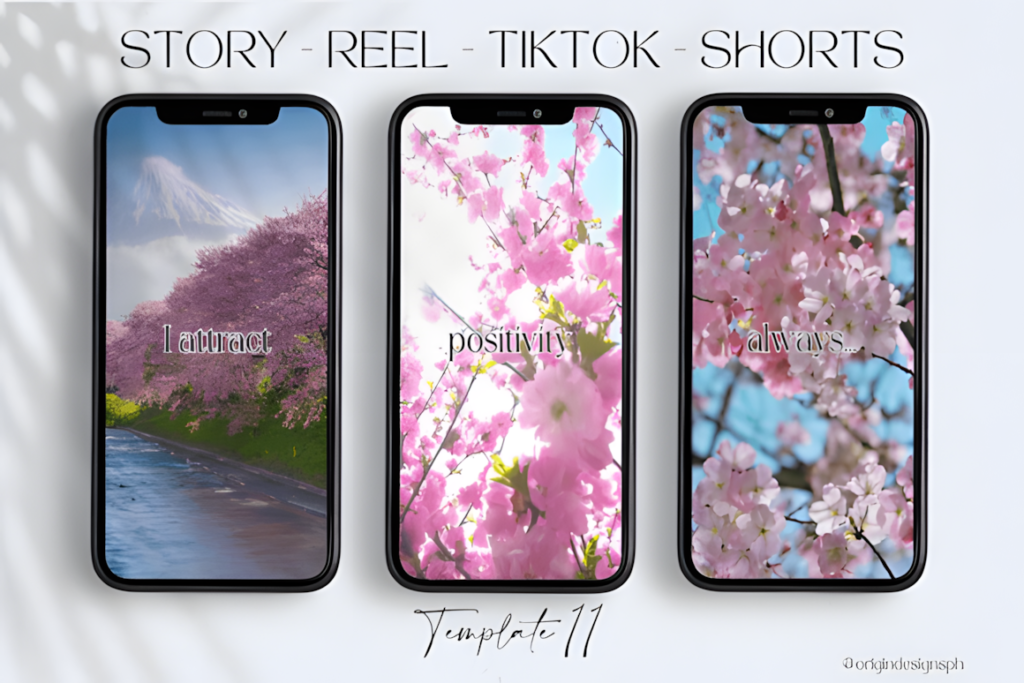
Vertical Video Templates and the Psychology of Attention
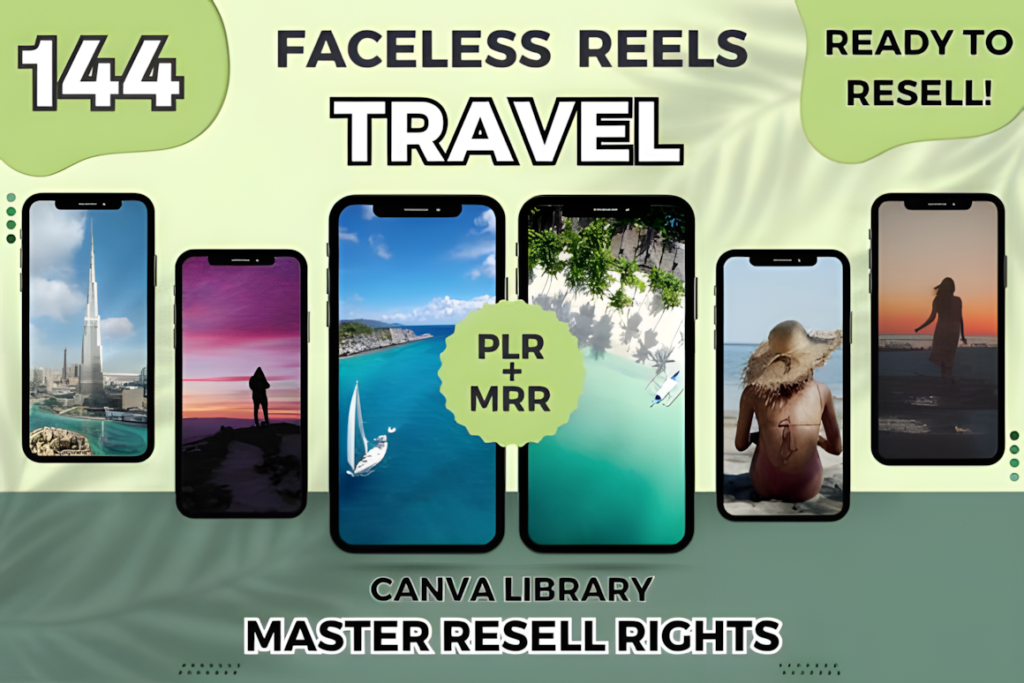
Vertical video templates aren’t just about size, they’re about behavior. People don’t watch short-form content passively. They scroll aggressively. Anything that feels cluttered, misaligned, or slow gets skipped.
Well-designed vertical video templates account for this behavior. They prioritize:
- Clear hook placement in the first seconds
- Readable captions that don’t fight the background
- Visual breathing room instead of overloaded frames
This is where template design becomes strategic. A strong template guides the viewer’s eye without screaming for attention. It creates hierarchy: what to read first, what to notice next, what to remember.
When done right, templates don’t feel like templates at all. They feel effortless.
Who Benefits Most From Short Form Video Templates
In practice, templates serve different audiences in different ways. Solo entrepreneurs often use them to look more professional without hiring designers. Content creators use them to maintain posting consistency even when motivation drops.
SMM managers and agencies rely on template bundles to batch-create content across clients while preserving brand separation. Digital product sellers use them to create promotional videos that actually convert instead of blending into the feed.
The common thread isn’t skill level, it’s scale. Anyone producing content repeatedly benefits from systems more than inspiration.
Templates turn content creation into something predictable. Predictability is what allows growth.
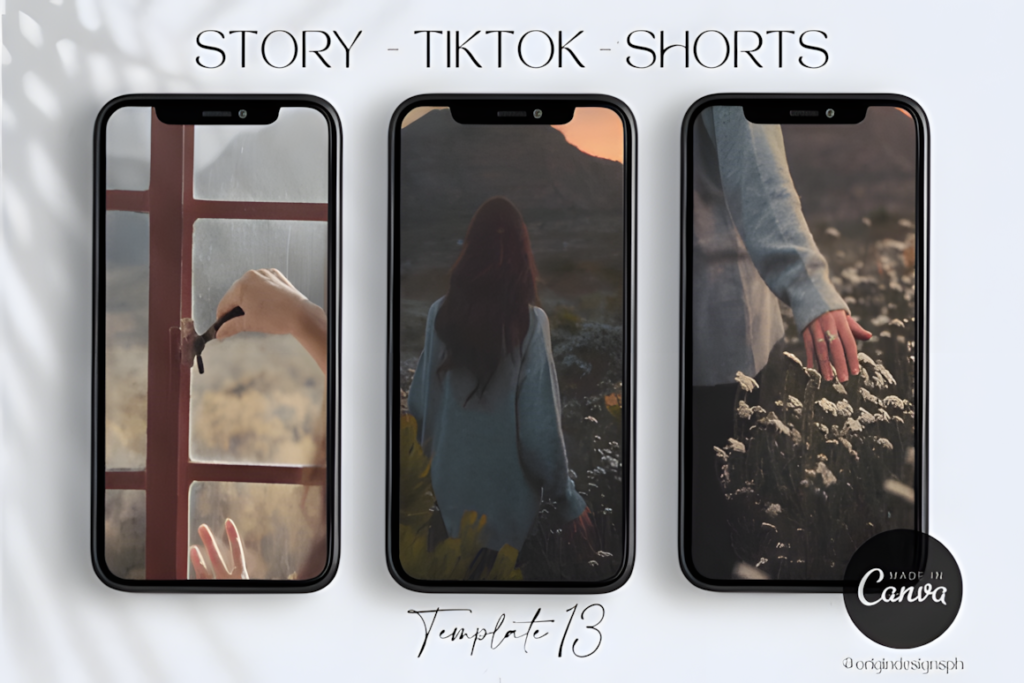
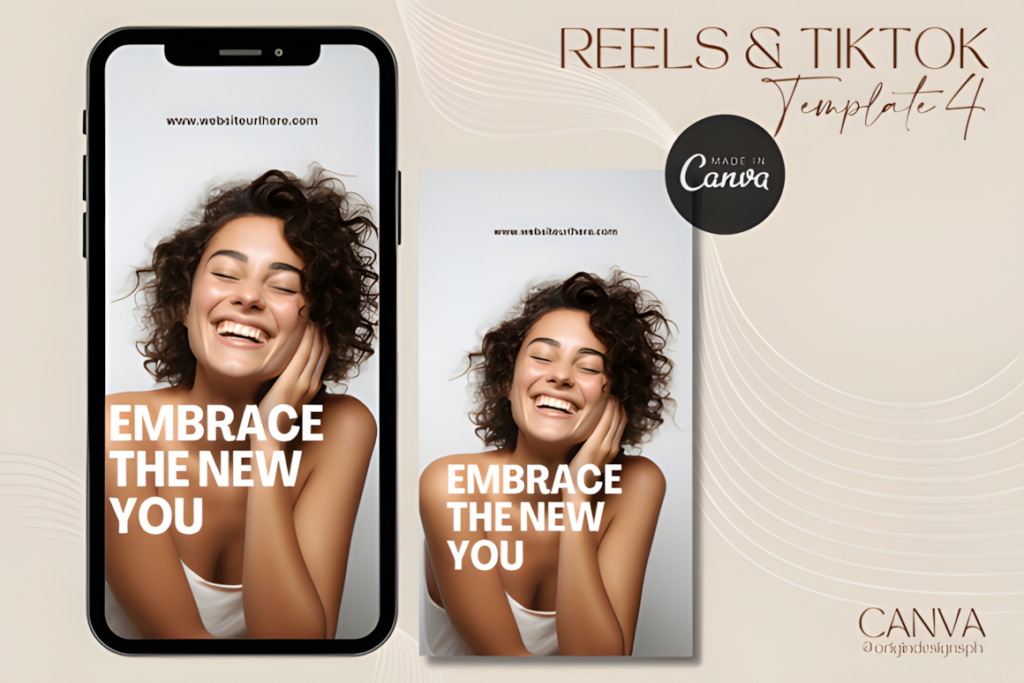
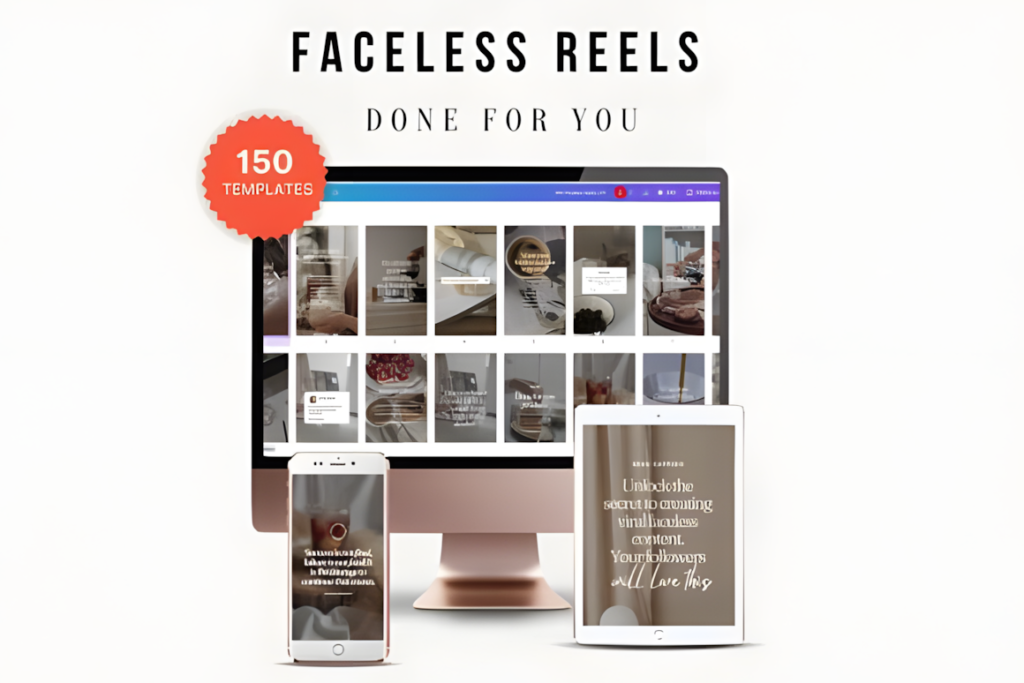
From Templates to a Repeatable Content System
Templates start to show their real power when they stop being “single-use designs” and become part of a repeatable system. This is the moment when content creation shifts from effort to process.
Instead of asking “what should I post today?”, the question becomes “which template fits today’s idea?”. That small mental switch changes everything. It removes hesitation, speeds up execution, and makes publishing feel lighter.
A repeatable system usually includes a small set of core templates:
- Hook-focused layouts for the first 3 seconds
- Caption-friendly frames with safe text zones
- Cover-style templates for Reels and Shorts previews
- Outro or CTA frames that close the loop
With these building blocks, content stops being chaotic. You’re no longer reacting to platforms, you’re operating within a structure that supports consistency.
Template Bundles vs Single Designs
One isolated template can help, but bundles change the game. A bundle isn’t just a collection of designs, it’s a visual language.
When templates are designed to work together, transitions feel smoother, layouts feel familiar, and your content gains coherence across different posts and platforms. This is especially important for creators who publish across TikTok, Reels, and Shorts at the same time.
Bundles also support batching. Instead of opening your editor every day, you can create a week or even a month of content in one session. That alone is a massive productivity win.
From a marketing perspective, bundles reduce decision fatigue. Everything already matches. Colors align. Typography is consistent. The system is already thinking for you.
Using Templates Without Killing Creativity
A common fear around templates is that they make content feel generic. In reality, the opposite is true, when used correctly.
Templates don’t replace ideas. They protect them. Your voice, opinions, storytelling, and perspective still do the heavy lifting. The template simply ensures that delivery doesn’t get in the way.
Creativity actually expands when friction disappears. When you’re not worried about layout, spacing, or formatting, you have more mental space for hooks, angles, and experimentation.
The most successful creators reuse structures but vary execution. Same frame, different message. Same pacing, different story. This balance is what makes content feel recognizable without becoming repetitive.
Why Short Form Video Templates Convert Better
Templates don’t just improve aesthetics, they improve clarity. And clarity converts.
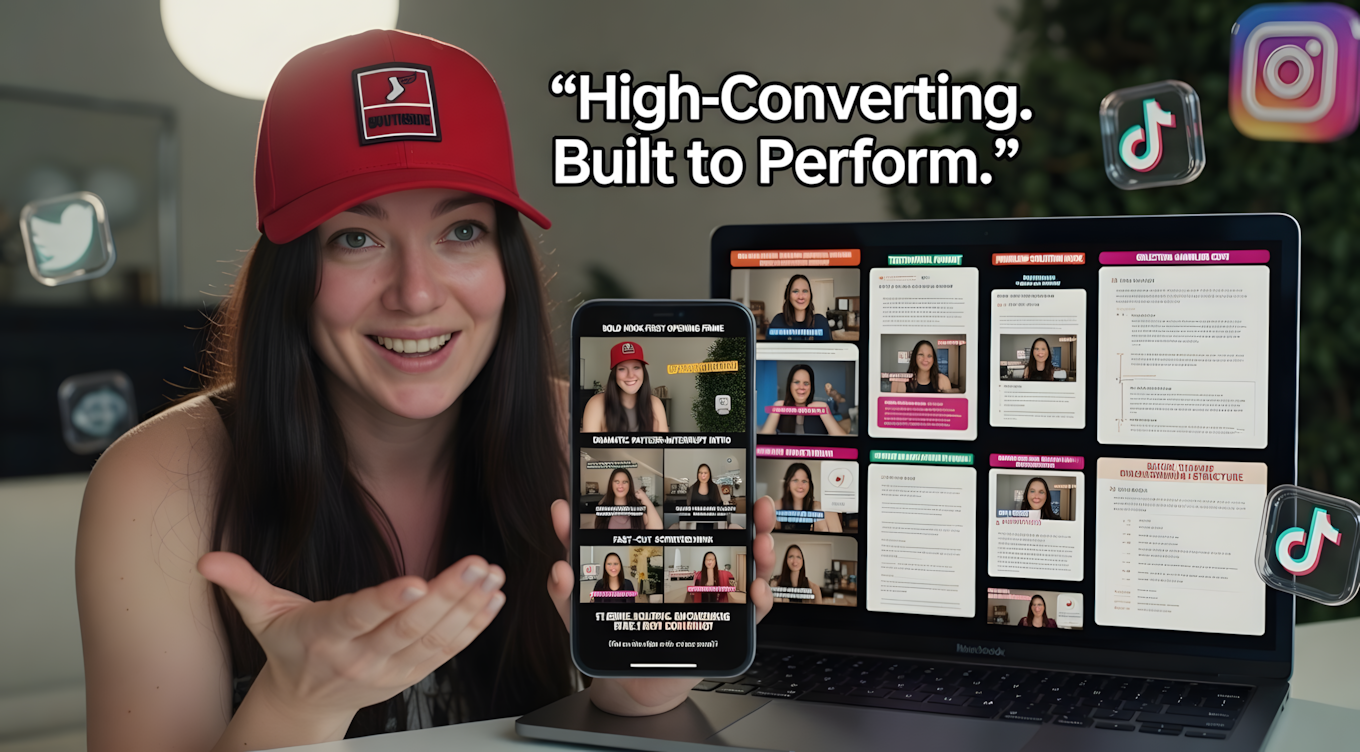
Clear hooks are easier to read. Captions are placed where eyes naturally go. CTAs don’t get lost or cropped. When viewers understand what they’re watching and what to do next, engagement improves.
This matters whether your goal is saves, shares, clicks, or sales. Messy visuals create friction. Clean layouts reduce it.
For digital products, services, or content-driven brands, templates help reinforce trust. Polished visuals signal professionalism. Professionalism makes people more willing to click, follow, or buy.
How This Connects to Pinterest and Long-Term Traffic
Even though short-form video lives on fast platforms, the system behind it supports long-term visibility. Each article, like this one, can become a hub, while short-form content acts as distribution.
Pinterest pins don’t need to explain everything. Their job is to spark interest and lead people somewhere deeper. When pins point to structured, valuable content, the ecosystem starts working together.
One article can support multiple pins. One template system can support dozens of videos. Everything compounds instead of disappearing after 24 hours.
This is where content stops feeling disposable and starts behaving like an asset.
Final Thoughts and Where to Start
Short form video isn’t slowing down. Platforms will change, formats will evolve, but the need for clarity, consistency, and speed will remain.
Templates aren’t shortcuts for lazy creators, they’re tools for intentional ones. They allow you to show up regularly without burning out, stay recognizable without being repetitive, and grow without constantly reinventing your workflow.
If you’re building content seriously, start with systems, not trends. Templates are one of the simplest systems you can put in place.
Explore ready-made video templates and see how structured design can support your content instead of slowing it down.