30 Short-Form Video Templates Creators Use to Post Everywhere
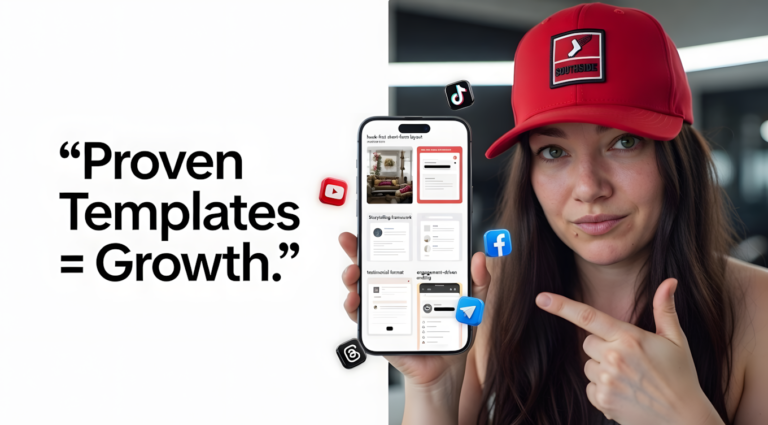
Short-form video templates completely changed how I approach posting across multiple platforms. Short-form video used to feel exciting to me, until I started publishing on more than one platform at once.

Why Posting Everywhere Feels Harder Than It Should
The biggest problem with multi-platform posting isn’t the platforms. It’s the lack of a core format.
When every video is built differently, reuse becomes impossible. You end up recreating content instead of distributing it.
I realized that what I needed wasn’t more ideas, but a few flexible structures that could work everywhere.
What Short-Form Video Templates Actually Solve
Short-form video templates aren’t about making content identical. They’re about making content adaptable.
A good template defines: where the hook lives, how the idea unfolds, and how the message lands — regardless of platform.
Once that structure is set, resizing or reposting becomes a technical step, not a creative struggle.
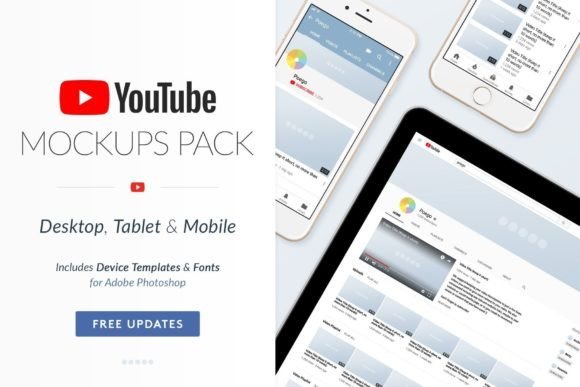

Why One Strong Format Beats Multiple Weak Ones
I used to believe that every platform required a completely different video.
What I learned instead is that clarity transfers. If a video is clear and engaging, it usually works everywhere.
Short-form templates helped me focus on the message first, not the algorithm.
Random Posting Slows Growth More Than You Think
Random posting creates activity, not progress.
When formats change constantly, viewers don’t recognize your content. There’s no pattern to remember.
Templates helped me create a visual language that stayed consistent no matter where the video appeared.
Why Hooks Matter Across All Platforms
Every platform scrolls fast. The first seconds decide everything.
What surprised me was how similar hooks work everywhere. Clear promise. Immediate context. No confusion.
Templates made strong hooks repeatable, not accidental.

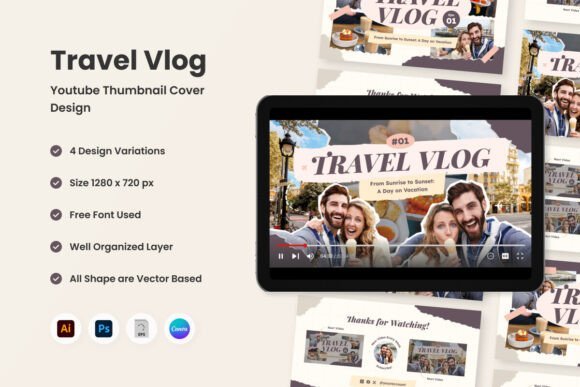
How Templates Save Time Without Lowering Quality
Editing time used to be my biggest bottleneck. Not filming. Editing.
Once layouts and pacing were decided, creating new videos became faster. I wasn’t making creative decisions from scratch.
Speed didn’t reduce quality. It removed friction.
Consistency Becomes Easier When Format Is Fixed
Posting consistently across platforms used to feel unrealistic.
Templates turned consistency into a system instead of a goal. I knew what I was posting and how it would look.
Showing up stopped feeling heavy.
Why Simple Short-Form Videos Often Perform Best
Complexity doesn’t scale well. Simplicity does.
Clean layouts, readable text, and purposeful motion translate better across platforms than overly stylized edits.
Simple templates made reuse natural.


How I Started Planning Content Across Platforms
The moment I stopped thinking in platforms and started thinking in formats, planning became much easier.
Instead of asking, “What should I post on TikTok?” or, “What works best on Reels?” I asked one question: “What message am I sharing this week?”
Once the message was clear, the template handled the rest. One core video. Multiple destinations.
When Reusing Works — and When It Doesn’t
Reusing content doesn’t mean copying blindly. That was an important lesson.
A strong short-form template works everywhere when the message is universal: tips, explanations, reminders, simple storytelling.
Small adjustments — like caption length or pacing — are often enough. The structure stays the same.
Why a Universal Format Reduces Creative Burnout
Burnout didn’t come from posting too much. It came from deciding too much.
Every time I built a video from scratch, I spent energy before the content even mattered.
Templates reduced that mental load. I could focus on ideas instead of execution. That made consistency sustainable.
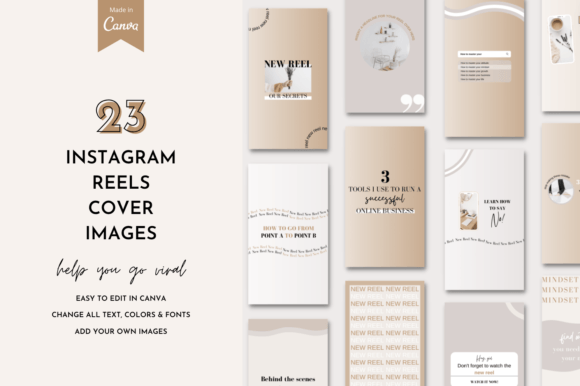

Building a Cross-Platform Video System
A system isn’t complicated. It’s repeatable.
I relied on a small set of short-form video templates, each with a specific purpose: one for hooks, one for education, one for reminders, one for storytelling.
Every platform received the same core content, adapted only where necessary.
Why Explainer Videos Translate So Well
Explainers became my safest format.
Clear steps, focused pacing, and one takeaway worked equally well on Reels, Shorts, TikTok, and Pinterest video pins.
Templates helped me break ideas down instead of cramming everything into one clip.
Repetition Builds Recognition Across Platforms
Seeing the same format repeatedly didn’t annoy my audience. It helped them recognize my content faster.
Recognition shortens the decision to watch. Viewers know what to expect.
That familiarity mattered more than novelty.

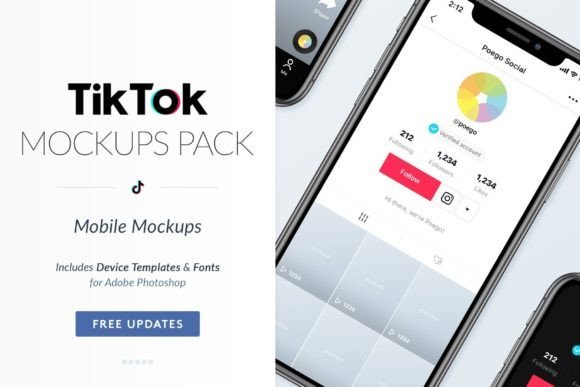
Why Short-Form Doesn’t Have to Feel Repetitive
Repetition lives in structure, not in ideas.
The same template can carry dozens of different messages without feeling stale.
Structure stays. Content evolves.
The Mistakes That Make Cross-Platform Posting Hard
The biggest mistake I see is over-customizing for every platform.
Tiny differences don’t require completely new videos. They require clarity and restraint.
Templates fail when they’re abandoned too quickly.
My Final Thoughts on Short-Form Video Templates
Short-form video stopped feeling chaotic when I stopped treating each platform as a separate job.
Templates gave me leverage. One idea. One structure. Many outcomes.
If posting everywhere feels overwhelming, the solution usually isn’t more content. It’s a better system.
Start with a few strong templates. Reuse them long enough for both you and your audience to recognize them.