23 YouTube Shorts Hook Templates Creators Use to Hold Attention
YouTube Shorts hook templates completely changed how I approach the first seconds of a video. For a long time, I treated intros as something secondary, something I would “figure out” once the content was ready.
What actually happened was predictable. Views dropped fast, retention fell off early, and strong ideas never got a chance to land.
I learned the hard way that on Shorts, the opening isn’t part of the video. It is the video.


Why the First Seconds Decide Everything on Shorts
YouTube Shorts give you one brief moment to signal value.
Viewers aren’t waiting to understand your point. They’re deciding whether to stay before the video even feels like it started.
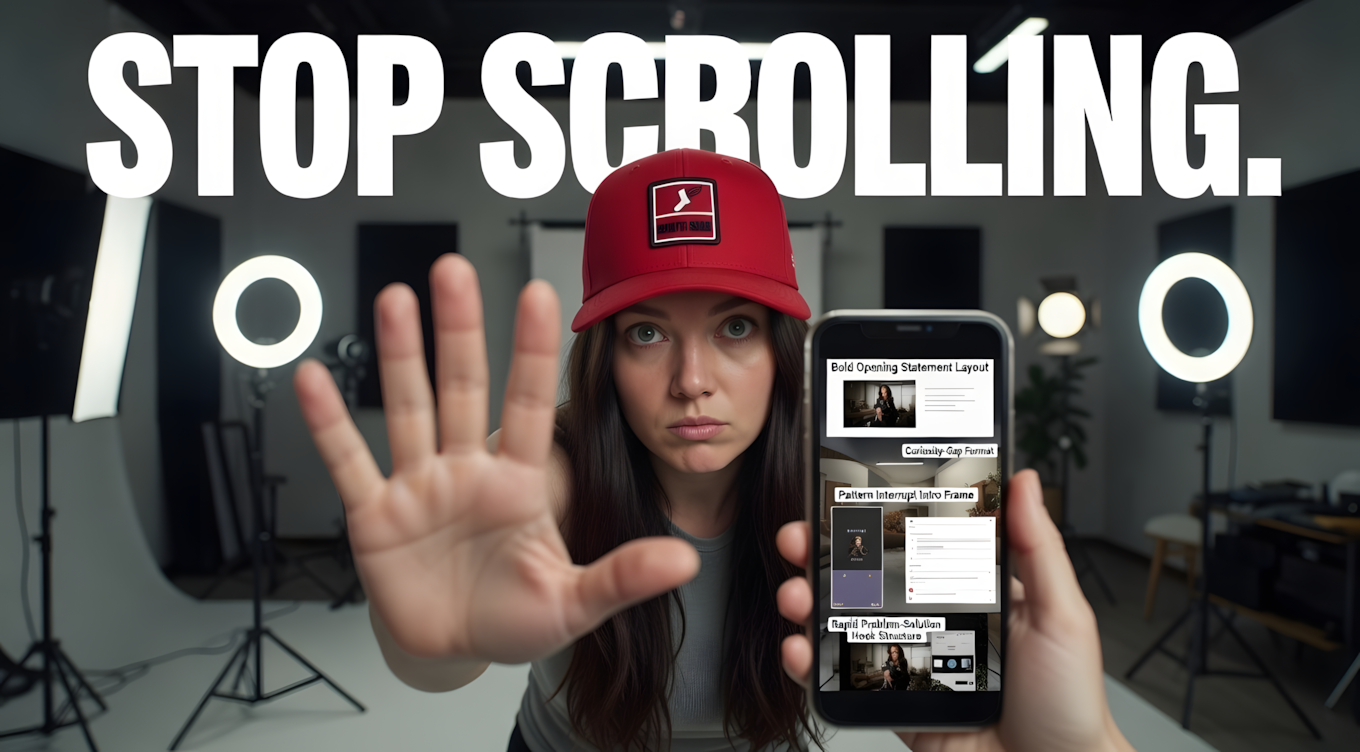
If the hook is unclear, scrolling wins immediately.
Why Weak Intros Kill Good Content
Most Shorts don’t fail because the idea is bad.
They fail because the beginning doesn’t tell the viewer why the content matters to them.
Without a clear hook, even educational or useful videos feel skippable.

What YouTube Shorts Hook Templates Actually Do
Hook templates aren’t scripts you copy word for word.
They’re structures for attention: how fast you get to the point, how the first frame looks, and how the promise is communicated.
Templates remove hesitation at the exact moment it matters most.
Why Random Intros Confuse Viewers
I used to start videos differently every time.
Sometimes with context. Sometimes with a question. Sometimes with silence.
That inconsistency made it impossible for viewers to recognize my content. Every video felt unfamiliar.
How Structured Hooks Improve Retention
Once I introduced repeatable hook templates, retention became more stable.
Viewers understood immediately what kind of content they were watching and what they would get by staying.
Structure created clarity. Clarity created watch time.
Why Explainer Shorts Still Need Hooks
Educational content doesn’t get a free pass.
Even the most useful explanation needs a reason to be watched.
Hook templates helped me lead with value instead of slowly building up to it.
How Hook Templates Save Time
Writing a new hook for every video drained energy quickly.
Templates turned intros into a fast decision instead of a long one.
Speed made consistency realistic.
Why Consistent Hooks Build Trust
Viewers trust what they recognize.
When videos start with familiar structures, people know what kind of value to expect.
That trust increases the chance they’ll stay longer.
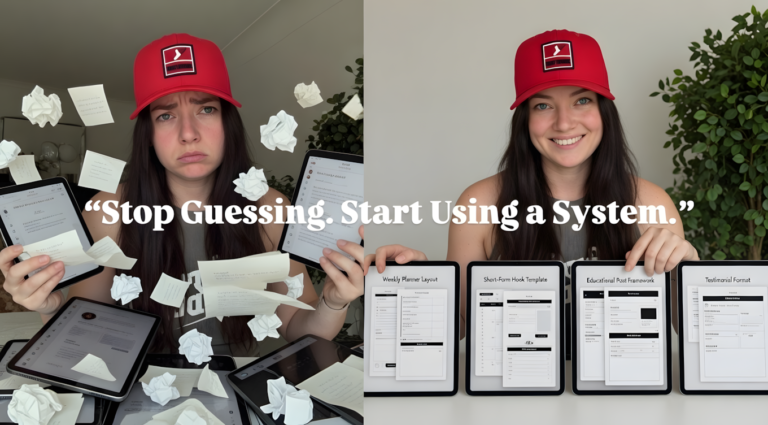
Why I Stopped Guessing and Built a Hook System
At some point, guessing how to start each Short became the most exhausting part of creation.
Some days I spent more time rewriting the first line than planning the actual content.
That’s when I realized hooks shouldn’t rely on inspiration. They need structure.
What a Hook System Looks Like in Practice
A hook system isn’t complicated. It’s a small set of opening patterns you reuse intentionally.
Problem-first. Direct value. Clear promise. Visual contrast.
Each format fits different content, but the logic stays familiar.
Planning Hooks Before Filming
Filming used to come first. Hooks came later.
That order caused problems. The video often didn’t match the intro.
Planning hooks first aligned the entire Short around one idea.

Batching Hooks to Speed Up Creation
One of the biggest workflow upgrades was batching hooks separately.
I would prepare multiple hook options in one sitting, then reuse them across different Shorts.
This removed pressure from filming days.
Comparing Shorts With and Without Hooks
The difference wasn’t subtle.
Shorts without a clear hook lost viewers almost immediately.
Shorts with structured intros held attention long enough for the content to matter.
Why Simple Hooks Often Perform Better
I tested flashy openings, fast cuts, and dramatic text.
What worked best was clarity.
Simple hooks explained the value without distracting from it.

Using Hook Templates Without Showing Your Face
Hook templates aren’t limited to talking-head videos.
Text-based intros, B-roll, screen recordings, and voiceovers worked just as well.
Structure mattered more than presence.
Why Repeating Hooks Builds Recognition
Repetition didn’t annoy viewers. It helped them recognize my content faster.
Familiar openings reduced hesitation. Viewers knew what to expect.
Recognition increased watch time naturally.
The Mistakes That Break Hook Performance
Hooks fail when they try to do too much.
Too many ideas. Too much text. No clear promise.
Templates work only when they’re trusted and reused.
My Final Thoughts on YouTube Shorts Hook Templates
YouTube Shorts don’t reward patience. They reward clarity.
Once hooks became structured, content creation felt lighter, faster, and more predictable.
If your Shorts lose viewers early, the fix usually isn’t better editing. It’s a stronger beginning.
Start with the hook. Let the rest follow.