20 Faceless Video Templates Creators Actually Use to Stay Visible
For a long time, video felt like a barrier for me. Not because I didn’t understand content, but because turning on the camera felt heavy.
I knew video mattered. I knew platforms were prioritizing it. But every time I thought about filming myself, I felt resistance instead of motivation.
What I eventually realized is that the problem wasn’t video. It was the assumption that video always meant being on camera.
Faceless video templates completely changed that perspective. They removed the pressure, lowered the friction, and made showing up feel possible again.

Why Camera Anxiety Stops More Creators Than They Admit
Camera anxiety is rarely talked about honestly. Most creators assume they’re the only ones struggling with it.
The truth is, a lot of people avoid video not because they lack ideas, but because filming feels exposing, exhausting, or uncomfortable.
Faceless video formats remove that emotional barrier. They allow you to focus on the message instead of your appearance, voice, or performance.
What Faceless Video Templates Really Are
When I talk about faceless video templates, I’m not talking about boring slideshows or static text.
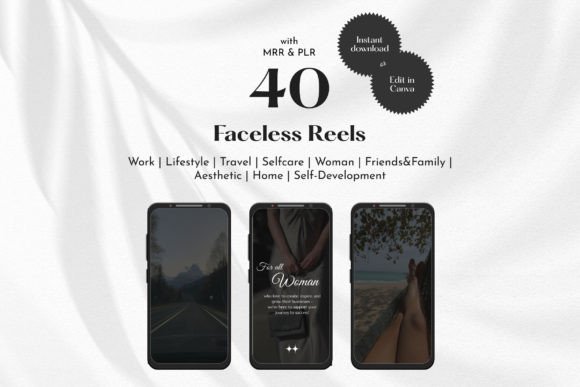
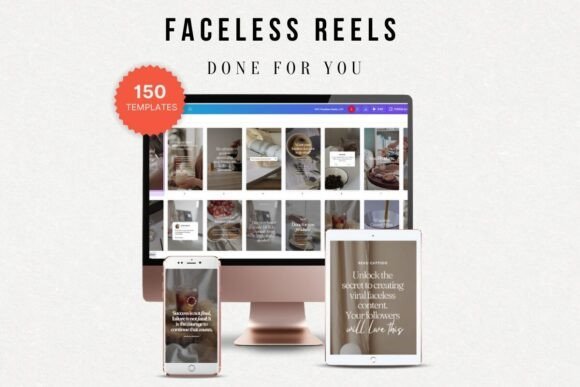
I’m talking about structured video layouts that rely on text, visuals, motion, and pacing instead of a talking head.
These templates decide the flow of the video for you: how it starts, how information is revealed, and how attention is guided.
That structure is what makes faceless content work.

Why Faceless Videos Still Perform Well
There’s a common myth that people only engage with faces. In reality, people engage with clarity.
If a video clearly explains something, solves a problem, or delivers value quickly, viewers stay — regardless of whether there’s a face on screen.
Faceless video templates are designed to highlight the message, not the creator.
Why Structure Matters Even More Without a Face
When there’s no person on screen, structure becomes even more important.
Without clear pacing and visual hierarchy, faceless videos can feel confusing or flat. That’s why random faceless content often fails.
Templates solve this by creating rhythm: text appears in sequence, visuals change with purpose, and the viewer always knows where to focus.
Why Hooks Still Matter in Faceless Content
Not showing your face doesn’t mean skipping the hook.
In fact, hooks matter even more. The first seconds need to explain why the viewer should care without relying on personality.
Strong faceless templates use bold text, clear promises, and fast visual cues to earn attention quickly.


How Faceless Templates Save Time
Filming takes time. Retakes take time. Getting ready takes time.
Removing filming removed a huge part of my workflow. Templates handled layout and pacing, so creation became faster without feeling rushed.
Speed didn’t reduce quality. It reduced hesitation.
Consistency Feels Lighter Without Filming
One of the biggest changes I noticed was how much easier consistency became.
On low-energy days, I could still post. On busy weeks, I could still show up.
Faceless video templates made content creation feel accessible instead of demanding.
How Faceless Video Changed My Content Planning
One thing I didn’t expect was how much easier planning became once filming was out of the equation.
When you don’t need to schedule filming, get ready, or wait for the right mood, content stops depending on circumstances.
Faceless video templates gave me visual starting points. I could plan ideas in advance, knowing exactly how each video would look before opening an editor.


Batching Content Without the Pressure of Filming
Batching used to feel intimidating. Long filming sessions. Forced energy. Too much setup.
Faceless templates removed all of that. I could batch calmly, focusing on ideas instead of performance.
Writing several messages, dropping them into the same structure, and exporting in one session felt efficient instead of draining.
Building a Content System That Works on Low-Energy Days
Not every week feels productive. That’s normal.
What mattered for me was having a system that worked even when motivation was low.
Faceless video templates carried the weight. The structure stayed consistent even when my energy didn’t.


Teaching Without Showing Your Face
Teaching content was one area where faceless video surprised me the most.
Clear text, step-by-step pacing, and intentional visuals often explained ideas better than a talking head ever could.
When information is easy to follow, viewers stay longer and save more often.
Why Reusing Templates Builds Recognition
Reuse isn’t laziness. It’s how recognition is built.
When viewers see a familiar structure, they immediately know how to consume the video. There’s no learning curve.
Faceless templates made that repetition possible without making content feel stale.
Faceless Doesn’t Mean Static or Boring
One of the biggest misconceptions is that faceless videos lack energy.
In reality, movement, contrast, and rhythm matter more than a face.
Well-designed faceless templates use motion with intention, keeping videos dynamic without overwhelming the viewer.

The Mistakes That Make Faceless Content Fail
Faceless content doesn’t fail because it’s faceless. It fails because it’s unstructured.
Too much text. No clear hook. Random pacing.
Templates don’t work if they’re changed constantly or overloaded with information.
When Faceless Video Templates Are Worth Using
Faceless templates are worth using when you want consistency, clarity, and sustainability.
They’re especially useful when showing your face isn’t realistic or enjoyable.
Growth becomes easier when content works with you, not against you.
My Final Thoughts on Faceless Video Templates
Faceless video didn’t limit my growth. It removed a barrier.
Templates turned content creation into something repeatable instead of intimidating.
If video feels heavy, overwhelming, or unsustainable, faceless templates are a powerful alternative.
You don’t need to perform. You just need structure.